Furnace Blowing Cold Air: Why It Happens and the Safe Checks to Try Before You Call

If your furnace is blowing cold air, check three things first: the thermostat (set to HEAT, with the fan on AUTO, not ON), the air filter (a clogged one can make the furnace shut its burners off for safety) and the breaker and furnace power switch. Those simple checks fix a surprising number of "no heat" calls, and none of them involve opening the furnace.
If the air is still cold after that, the cause is usually ignition, the flame sensor or the gas supply, and that is a job for a licensed HVAC technician. One rule comes before everything else on this page: if you smell gas, like rotten eggs, stop. Don't touch light switches, the thermostat or your phone inside. Get everyone out, then call your gas company or 911 from outside.
Key facts
- Fan on ON blows cool air between heat cycles; set it to AUTO.
- A clogged filter can trip a safety switch and shut off the burners.
- Cool air for the first minute of a gas furnace cycle is normal.
- Heat pumps blow cool air for a few minutes during defrost.
- Gas smell: leave first, call from outside.
Free calculator from Home Project Resources
Heat Troubleshooter: Why It's Blowing Cold Air
Pick your system and what the air is doing. You get the likely cause, the safe checks to try first and when to call a licensed HVAC technician.
Need more? Open the free Paint Calculator.
 Paint Calculator
 Square Footage Calculator
 Wallpaper Calculator
The Heat Troubleshooter above sorts out your situation in two picks. Choose your system (gas furnace, electric furnace or heat pump), then what the air is doing: cold for the first minute and then warm, cold all the time, warm at first then turning cold, or cool bursts while the outdoor unit steams during defrost. You get the likely cause, the safe checks to try first in order and a clear point where it's time to call a licensed HVAC technician.
Quick reference: what the air is telling you
| What's happening | Likely cause | Safe first step |
|---|---|---|
| Cold for a minute, then warm | Normal warm-up | Wait a minute |
| Cold air between cycles | Fan set to ON | Switch fan to AUTO |
| Warm, cold, warm again | Overheating: dirty filter or blocked vents | New filter, open vents |
| Cold all the time | Burners not lighting, power or safety switch | Safe checks, then a pro |
| Heat pump: cool bursts, steam outside | Defrost mode | Wait; it passes in minutes |
| Breaker trips again | Electrical fault | Stop and call a pro |
First, is a little cold air normal?
Sometimes it is, and knowing the difference can save you a service call. A gas furnace lights its burners and warms up for a short time before the blower starts. The first few seconds of air are whatever was sitting in cold ducts, so it feels cool on your hand. Warm air should follow within about a minute.
An electric furnace turns its heating elements on in stages, so the first air can feel lukewarm for a minute or two before it reaches full heat. A heat pump is different again. Its air is warm, but cooler than furnace air, often around the low 90s °F. That can feel almost cool on your hand even when the system is heating the house perfectly well. It will also blow cool air for a few minutes during a defrost cycle, which is covered below.
The test is simple. If the room is slowly warming up and the thermostat reading is climbing, the system is probably working. If the air stays cold and the temperature keeps dropping, work through the checks below.
Five safe checks that fix a lot of no-heat calls
These are things any homeowner or renter can do without tools or opening a panel. Go in this order, and give the system a few minutes after each change before you decide it didn't work.
Thermostat mode and fan. Make sure the thermostat says HEAT. It sounds obvious, but a bumped switch or a reset after a power outage is very common. Then look at the fan setting. On ON, the blower runs all the time, even when the burners are off between cycles, so you get long stretches of cool air. AUTO runs the fan only when there's heat to move. This one change fixes more "cold air" complaints than anything else.
Setting and batteries. Raise the setting 3 to 5 degrees above room temperature (2 to 3 for a heat pump) and wait a few minutes. If the thermostat uses batteries, put in fresh ones. A blank or dim screen is the clue.
The air filter. Slide it out and hold it up to a light. If you can't see light through it, it's overdue. When air can't flow through, heat builds up inside the furnace and a safety switch, often called the limit switch, shuts the burners off to protect it. The blower keeps running to cool things down, so you feel warm air, then cold, then warm again. A new filter often brings the heat straight back.
Power. Look in the breaker panel for a tripped breaker labeled furnace, air handler or heat pump, and reset it once. If it trips again, stop and call a pro; that points to an electrical fault. Then find the furnace power switch, usually on or near the furnace and looking just like a light switch. It's easy to flip off by mistake when someone reaches for the stair light.
Door panel and vents. Most furnaces have a safety switch that stops the burners if the front panel isn't seated. If someone just changed the filter, push the panel firmly into place. Finally, walk the house and make sure supply vents are open and return grilles aren't blocked by furniture, rugs or toys.
Gas furnace problems beyond the basics
Blocked vent pipes or a clogged drain
High-efficiency gas furnaces usually have two white plastic pipes running through an outside wall or the roof, plus a small drain line for the water they produce. Snow or ice packed over those outside pipes, or a clogged drain, can make the furnace shut off its burners for safety. After a snowstorm, gently brush snow away from the pipe openings outside. Leave the drain line and anything inside the cabinet to a technician.
Ignition, flame sensor or gas supply
If the burners won't light, or light and go out after a few seconds, the cause may be the igniter, a dirty flame sensor, the gas valve or the gas supply itself. These are not DIY jobs. Please don't take off burner covers, adjust the gas valve or try to light anything by hand. Call a licensed HVAC technician.
Heat pump blowing cool air
Defrost mode is normal
In cold, damp weather, frost builds up on the outdoor unit's coil. The heat pump reverses briefly to melt it, which can push cool air inside for a few minutes. You might see steam rising from the outdoor unit and hear a whoosh when it switches back. That's normal, and many systems turn on backup heat during defrost to soften the chill.
Ice, snow and thermostat modes
Light frost that clears after defrost is fine. Thick ice that doesn't clear, or a unit buried in snow, isn't. Keep about 2 feet clear around it and make sure melting water can drain away. Don't chip ice off the coil, since that can damage the thin fins. Also check the thermostat. Many heat pump models offer HEAT, COOL, AUTO and EMERGENCY HEAT (sometimes EM HEAT or AUX). Emergency heat uses only the backup heat. It works, but it costs much more to run, so use it as a stopgap until a technician comes.
Heat pumps also lose some heating power as the outdoor temperature drops, so in a deep cold snap the house may warm slowly. If it can't stay comfortable at all, or the system runs and runs without warming the house, it may be low on refrigerant or have a failed part. That needs a licensed technician with the right tools and certification. Our guide to heat pump installation explains how systems are sized for cold climates.
Electric furnace with a running fan but no heat
Electric furnaces often have separate breakers for the heating elements and the blower. If the element breaker trips, the fan can keep running while the heat stays off, which is exactly what cold air from the vents feels like. Reset a tripped breaker once. If it trips again, or the air is only lukewarm because one or more elements seem to be out, call a licensed HVAC technician or electrician. Never open the furnace's electrical panel yourself; there's high voltage inside. Our electrical safety basics guide explains where to draw the line.
Keeping warm while you wait for a technician
If a technician can't come until tomorrow, a few simple steps keep the house comfortable. Close curtains at night and open them on sunny days to let the sun do some heating. Shut doors to rooms you aren't using so the warm air stays where people are. Use space heaters only with plenty of clearance from curtains and bedding, plug them straight into the wall, and never leave them running while you sleep.
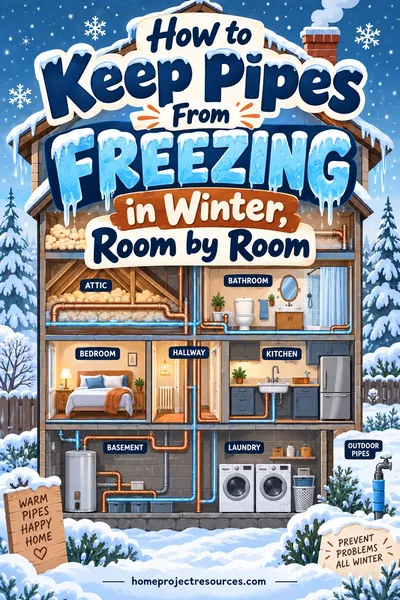
In very cold weather, open the cabinet doors under sinks on outside walls so warmer room air reaches the pipes, and let a faucet drip. Our guide on how to keep pipes from freezing covers each room. If a power outage is the reason the heat is off, see preparing for a power outage in winter. And with any fuel-burning appliance acting up, make sure your carbon monoxide alarms work; if one is beeping, our guide to a chirping smoke detector explains chirps versus real alarms.
Signs it's time to call an HVAC pro now
Call a licensed HVAC technician when the air is still cold after the safe checks, a breaker trips again after one reset, the outdoor heat pump unit stays covered in thick ice, or water is pooling around the furnace. Banging, screeching or grinding noises and any burning smell are also reasons to shut the system off at the thermostat and call. For a gas smell, leave first and call your gas company or 911 from outside. If your carbon monoxide alarm goes off, get everyone outside and call 911.
Preventing the next cold-air surprise
Most of these problems are easier to prevent than to fix in January. Change the filter on schedule, often every 1 to 3 months during heating season depending on the filter type and whether you have pets. Book a yearly tune-up before cold weather starts; a technician can clean the flame sensor, check the burners and catch worn parts early. Keep vents and returns clear, and keep the outdoor unit and vent pipes free of snow and leaves. Our seasonal home maintenance checklist puts all of this on a calendar.
When the heat works but the house still feels chilly
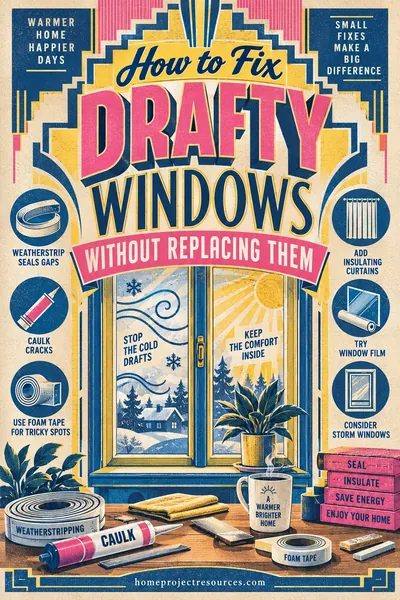
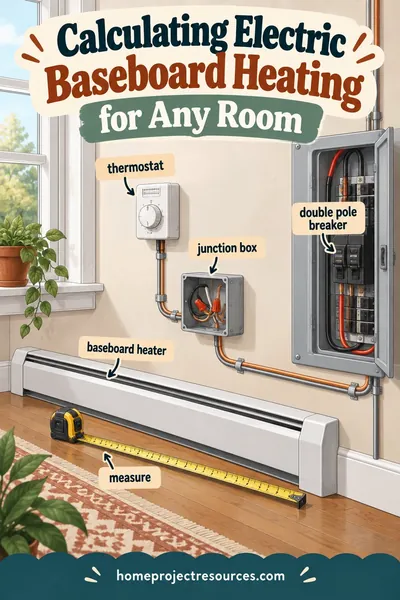
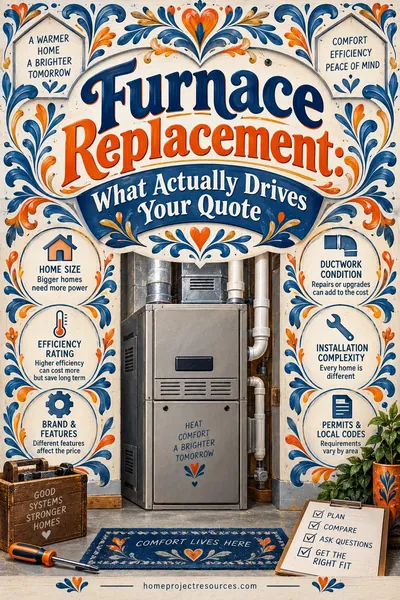
Sometimes the furnace is fine and the house is simply losing heat. Drafty windows are a big one; our drafty windows fix shows cheap ways to seal them. Thin attic insulation is another, and the free insulation calculator works out how many bags you'd need to add. If one room is always cold, electric baseboard heater sizing works out the wattage. And if the furnace is old and repairs keep stacking up, furnace replacement explains what drives a quote. All of our free tools are on the Home Project Resources home page.
Quick answers about a furnace blowing cold air
Why is my furnace running but blowing cold air?
The most common reasons are the thermostat fan set to ON instead of AUTO, a dirty filter that makes a safety switch shut off the burners, a loose door panel or an ignition or gas supply problem. Check the thermostat, filter, breaker and power switch first, then call a licensed HVAC technician if it's still cold.
Why is my heat blowing cold air when the thermostat says heat?
The fan may be set to ON, so it keeps blowing between heating cycles. If it's on AUTO and still cold, the furnace may have shut its burners off for safety, often because of a clogged filter or a blocked outside vent pipe on a high-efficiency model.
Why is my heat pump blowing cold air?
Usually it's defrost mode, which can blow cool air for a few minutes in cold, damp weather while the outdoor unit steams. Heat pump air also naturally feels cooler than furnace air. If it stays cold, check the thermostat mode, the filter and the outdoor unit, then call a pro.
Can a dirty filter make a furnace blow cold air?
Yes. A clogged filter traps heat inside the furnace, and a safety switch turns the burners off while the blower keeps running to cool things down. That gives you warm air, then cold, then warm again. Replace the filter and the heat often comes back right away.
How do I reset my furnace?
Turn the thermostat down, switch off the furnace power switch for about a minute, then turn it back on and raise the thermostat. If it doesn't heat after one try, don't keep resetting it, since repeated resets can hide a real fault. Call a licensed HVAC technician.
Is it safe to run emergency heat on a heat pump?
Yes, as a short-term stopgap. Emergency heat runs only the backup heat source, so it keeps the house warm but costs much more to run. Use it until a technician can check the heat pump, rather than leaving it on for weeks.
What should I do if I smell gas?
Leave the house right away without touching light switches, phones or the thermostat. Call your gas company or 911 from outside, and don't go back in until they say it's safe. Don't try to find the leak yourself.