How to Remove Sticker Residue: Price Tags, Glass, Plastic, Wood, Walls and Fabric

Here's how to remove sticker residue from almost anything: soften the glue, then wipe it away. Start with warm, soapy water. If glue is still there, rub in a few drops of cooking oil and let it sit 5 to 10 minutes, or wipe it with rubbing alcohol from the first-aid shelf, then scrape gently with a plastic scraper or an old gift card. A hair dryer on low makes stubborn labels peel off cleanly in the first place.
The surface decides which of those you use. Glass handles nearly everything, including a razor blade held flat. Plastic can cloud or melt with strong solvents like nail polish remover, so stick to oil and soapy water. Finished wood, painted walls and fabric each need their own gentle approach. Whatever the surface, test a hidden spot first.
Key facts
- Warm, soapy water is the first thing to try on almost any surface.
- Cooking oil breaks down sticky glue in 5 to 10 minutes.
- Never use acetone (nail polish remover) on plastic.
- Scrape with plastic, not metal, except flat on plain glass.
- Use one remover at a time, and never mix products.
Free calculator from Home Project Resources
Residue Remover Finder: The Safe Remover for Your Surface
Pick the surface. You get the safest remover, the steps and a test-spot note.
Need more? Open the free Paint Calculator.
 Paint Calculator
 Square Footage Calculator
 Wallpaper Calculator
Pick the surface: glass or mirror, hard plastic, ceramic or metal (mugs, pans, appliances), finished wood, painted wall, fabric or clothing, or a book cover or paper. The finder gives you the safest remover for that surface, the steps in order, and a test-spot note telling you what to skip.
Quick reference: removers you already have
| Remover | Why it works | Best on | Avoid on |
|---|---|---|---|
| Warm, soapy water | Softens water-based glue | Almost everything; start here | Paper |
| Cooking oil or mineral oil | Breaks down sticky, oily glue | Glass, hard plastic, metal, finished wood | Flat paint, fabric, paper |
| Rubbing alcohol | Dissolves many adhesives, dries fast | Glass, ceramic, metal, many fabrics | Some wood finishes and paint |
| Hair dryer on low | Warms glue so it peels | Walls, books, appliances, wood | Thin plastic up close |
| Baking soda and oil paste | Gentle grit plus oil | Glass jars, ceramic | Glossy plastic, soft finishes |
| Plastic scraper or old gift card | Lifts glue without scratching | Most hard surfaces | Soft wood and paint if pressed hard |
Wash the surface with soapy water before switching from one remover to another, so nothing mixes.
Start gentle, then step up
Most sticker glue comes off with the mildest method, so it pays to work up a ladder instead of grabbing the strongest thing in the cabinet. Step one is peeling slowly at a low angle, folding the sticker back on itself rather than pulling straight up. Step two is warmth: a hair dryer on low for 20 to 30 seconds, or a warm, soapy cloth laid over the spot for a few minutes. Step three is oil. Step four, on surfaces that can take it, is rubbing alcohol.
Between each step, try to lift what's left. You can often dab leftover glue with a piece of the sticker itself or a strip of packing tape, and much of it comes right off. Then roll the rest away with your thumb. I find that patience does more than pressure; letting oil sit a full 10 minutes saves a lot of scraping.
Price tags on gifts
Price tags are the classic after-Christmas job, and they're usually on the things you care about most: a new mug, a picture frame, a toy. Warm the tag with a hair dryer for 20 to 30 seconds if it starts to tear, then peel slowly. Dab the leftover glue with the tag itself or a strip of tape. Rub in a drop of cooking oil, wait a few minutes, then roll the glue off with your thumb or wipe it with a paper towel. Wash with warm, soapy water to remove the oil, and dry.
For a gift you're about to wrap, do this a day ahead so the surface is clean and dry. On boxed items, leave the tag on the box and just cut the price off with scissors; that's easier than peeling glossy cardboard.
Glass, mirrors and jars
Glass is the easiest surface, because it handles almost every method. Soak a cloth in hot, soapy water and lay it on the label for a few minutes, or soak a whole jar in the sink. Peel and rub off the softened glue. For what's left, rub in a little oil or wipe with rubbing alcohol. On plain glass, a razor blade held flat lifts the last bits without scratching; keep the blade flat and push in one direction. Wash and dry.
Skip the razor on coated, tinted or decorated glass, such as some mirrors, oven doors and printed glassware, and use a plastic scraper instead. If you're saving jars for crafts, pantry storage or holiday gifts, a paste of baking soda and a little oil, rubbed in and left for about 10 minutes, cleans off even thick paper labels. For screens and monitors, don't use any of this; follow how to clean a TV screen instead.
Hard plastic
Plastic is where people get into trouble. Strong solvents like acetone nail polish remover can cloud, soften or even melt many plastics, leaving a dull patch that's worse than the glue. Peel what you can, warming it first with a hair dryer on low from a few inches away; hold it too close and thin plastic can warp.
Rub a few drops of cooking oil into the residue with your finger or a soft cloth and let it sit 5 to 10 minutes. Roll or rub the glue off, then wash with warm, soapy water. For stubborn spots on hard plastic, test a dab of rubbing alcohol somewhere hidden first, like the underside of a storage bin or the back of a toy. If the test spot looks fine after a few minutes, use it sparingly on the visible area.
Ceramic, metal and appliances
Mugs, plates, pans and appliances are forgiving. Soak or lay a warm, soapy cloth on the label, peel, then use oil or rubbing alcohol on what's left, and a plastic scraper for the last bits. A baking soda and oil paste works well on glazed ceramic.
On stainless steel appliances, wipe in the direction of the grain and skip anything gritty, which can leave fine scratches you'll see in the light. Hand-painted or gold-trimmed dishes deserve extra care: use only soapy water and oil, never scrape the decoration, and test first. Polished silver has its own method, covered in how to clean silver.
Finished wood furniture
Wood finishes vary a lot, so go slowly. Warm the sticker with a hair dryer on low and peel it back gently. Rub a little oil into the leftover glue with a soft cloth, wait a few minutes, then wipe with the grain. Avoid rubbing alcohol, acetone and soaking, which can cloud or lift some finishes, and don't let water sit on the wood. Use a plastic scraper only with light pressure, since softer woods dent easily. Finish with a dry cloth so no oil is left on the surface.
Painted walls and doors
Walls get stickers from kids, tape from party decorations and hooks that didn't hold. Warm the sticker with a hair dryer on low and peel very slowly at a low angle. Wipe leftover glue with a barely damp, soapy cloth. Skip oil on flat or matte paint, which soaks it up and leaves a darker stain.
If a little paint lifts with the sticker, a dab of matching touch-up paint usually hides it. Bigger peeled patches may need a skim of filler first; our guide on how to patch drywall covers that, and how to paint a room helps if it's time for a whole new color. The paint calculator tells you how many gallons to buy.
Fabric, clothing and books
On fabric, the most important rule is to keep it out of the dryer until the glue is gone, because heat sets adhesive the same way it sets stains. Treat the spot with a little rubbing alcohol or dish soap, test first on an inside seam, then wash as the label says. Skip cooking oil on fabric, which can leave its own stain; if that happens, the dish soap steps in how to get grease stains out of clothes will lift it.
Books and paper are delicate, so there's no soaking at all. Warm the sticker gently with a hair dryer on low and peel very slowly. A pinch of cornstarch rubbed over the leftover glue takes the stickiness away even if you can't remove every bit.
Kids' stickers, decals and car windows
Stickers on windows, doors, dressers and bedposts are part of having kids around. The same steps work: warm, peel, then oil or soapy water. Window clings peel right off and can be saved for next year. Vinyl decals come off best with heat, worked slowly from one corner. On car windows, keep a razor away from the defroster lines on the rear window and use a plastic scraper instead. When you're packing up the holidays, when to take down Christmas decorations helps you plan the timing.
Mistakes to avoid
The most common mistake is scraping with a metal knife on plastic, wood or paint; it gouges faster than you'd think, so use plastic. Close behind is skipping the test spot on a finish you care about, or using acetone on plastic, which can ruin the surface. Drying fabric before the glue is gone sets it for good. And mixing cleaners to "make it stronger" is never a good idea, since some combinations give off harmful fumes.
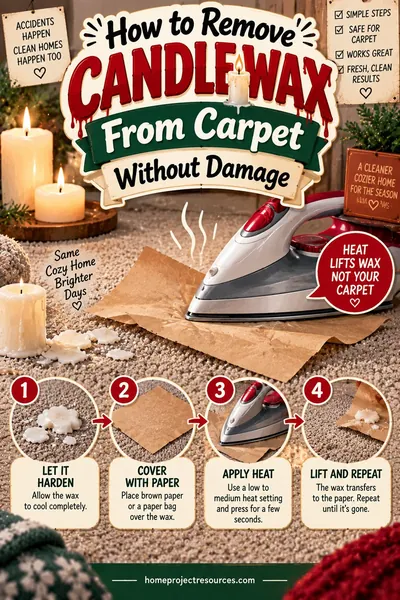
Cleaning up after the holidays? Our how to remove candle wax from carpet guide handles drips, how to dispose of batteries covers the old ones from new gadgets, and how to clean carpet takes care of the floor after guests. You'll find every free planner on our home page.
Quick answers about removing sticker residue
What is the best way to remove sticker residue?
Soften it first with warm, soapy water or a hair dryer on low. Then rub in a little cooking oil and wait 5 to 10 minutes, or wipe with rubbing alcohol on surfaces that can take it. Scrape gently with a plastic scraper and wash the area with soapy water afterward.
How do you get price tag residue off?
Peel slowly, warming the tag with a hair dryer if it tears. Dab the leftover glue with a piece of tape, rub in a drop of cooking oil for a few minutes, roll the glue off with your thumb and wash with warm, soapy water.
How do you remove sticker residue from plastic?
Use cooking oil and warm, soapy water. Let the oil sit 5 to 10 minutes, then rub the glue off and wash. Avoid acetone nail polish remover, which can cloud or melt many plastics, and test rubbing alcohol on a hidden spot first.
Does rubbing alcohol remove sticker residue?
Yes, rubbing alcohol dissolves many adhesives on glass, ceramic, metal and many fabrics, and it dries quickly. Test it first on finished wood, paint and plastic, since it can dull some finishes. Use it on its own, never mixed with other products.
How do you get sticker residue off a wall without damaging paint?
Warm the sticker with a hair dryer on low and peel slowly at a low angle. Wipe leftover glue with a barely damp, soapy cloth. Skip oil on flat paint, which can leave a dark mark, and touch up any spot where paint lifted.
Can I use a razor blade to remove sticker residue?
Only on plain, uncoated glass, held flat and pushed in one direction. Skip it on tinted, coated or decorated glass, rear car windows with defroster lines, plastic, wood and paint. Use a plastic scraper or an old gift card on those surfaces instead.
How do you get sticker residue off clothes?
Keep the item out of the dryer. Test a little rubbing alcohol or dish soap on an inside seam, dab it onto the glue, work it gently and wash as the care label says. Check before drying, and repeat if any stickiness remains.
How do you remove a sticker from wood furniture?
Warm it with a hair dryer on low and peel gently. Rub a little oil into the leftover glue, wait a few minutes and wipe with the grain. Avoid rubbing alcohol, acetone and soaking, and use only light pressure with a plastic scraper.