How to Dispose of Batteries: Alkaline, Lithium, Button and Car Batteries

How you dispose of batteries depends on the type. Regular single-use alkaline batteries (AA, AAA, C, D and 9-volt) can go in household trash in many places, but some states and cities require recycling, so check your city or county waste website. Lithium-ion, other rechargeable and button batteries should never go in the trash or your curbside recycling bin, because they can start fires in garbage trucks and sorting centers.
For those, tape over the ends or bag each one, store them somewhere cool and dry, and take them to a battery drop-off or a household hazardous waste site. Many electronics and hardware stores collect them. Car batteries go back to a store that sells them or to a recycling center. That is the whole system, and the sections below cover the details for each kind, plus what to do with a swollen or leaking one.
Key facts
- Alkaline: trash allowed in many places, not all. Check local rules.
- Lithium-ion and button cells: never in trash or curbside recycling.
- Tape the terminals of 9-volt, lithium and button batteries.
- A swallowed button battery is an emergency: go to the ER.
- Car batteries go back to the seller or a recycling center.
Free calculator from Home Project Resources
Battery Disposal Finder: Trash, Recycle or Hazardous Waste?
Pick the kind of battery. You get whether it can go in the trash, needs recycling or counts as hazardous waste, plus safe storage tips.
Need more? Open the free Paint Calculator.
 Paint Calculator
 Square Footage Calculator
 Wallpaper Calculator
Not sure which bin your battery belongs in? In the Battery Disposal Finder above, choose the kind of battery: alkaline (AA, AAA, C, D, 9V), rechargeable lithium-ion (phones, laptops, tools, toys), lithium coin or button cells, rechargeable nickel (NiMH, NiCd), car or other lead-acid battery, or swollen, damaged or hot battery. It tells you whether that type can go in the trash, needs recycling or counts as hazardous waste, and how to store it safely until you drop it off.
Quick reference: where each battery goes
| Battery | Common uses | Trash? | What to do |
|---|---|---|---|
| Alkaline, single-use | Remotes, clocks, flashlights, toys | Many places, not all | Check local rules; recycling is a good choice |
| Lithium-ion, rechargeable | Phones, laptops, power tools, e-bikes | No | Tape or bag; drop-off or hazardous waste site |
| Lithium single-use | Cameras, smoke alarms, outdoor gear | No | Tape and drop off |
| Coin and button cells | Watches, key fobs, small toys, scales | No | Tape both sides; drop off; keep from kids |
| Nickel (NiMH, NiCd) | Older rechargeable AAs, cordless phones | No | Recycle at a drop-off |
| Lead-acid | Cars, motorcycles, backup power | No | Return to seller or recycling center |
How to tell what kind of battery you have
The label almost always tells you. Single-use alkaline batteries say "alkaline" on the side. A lithium AA or 9-volt looks just like an alkaline one but is marked "lithium," and those often come from smoke alarms, cameras and outdoor gear. Rechargeable AAs are usually marked "NiMH" or, on older ones, "NiCd," and say "rechargeable." Lithium-ion packs in phones, laptops, cordless tools and e-bikes are marked "Li-ion" and usually show a voltage and a capacity in mAh or Wh.
Coin and button cells are the small flat discs in watches, car key fobs, kitchen scales and greeting cards. The ones marked with a "CR" code, like CR2032, are lithium. If you really cannot read a label, treat the battery as the riskier type and take it to a drop-off. That is never the wrong choice.
Alkaline batteries: trash or recycle?
Ordinary alkaline batteries are the one type that many areas allow in household trash. Some states and cities, though, require all batteries to be recycled, and the rule can differ from one town to the next. Your city or county waste website will say which applies to you. Even where trash is allowed, recycling is a good choice, since the metals inside can be recovered.
The one alkaline battery that needs extra care is the 9-volt. Both of its terminals sit side by side on top, so it can short out if it touches another 9-volt, a coin, a key or a scrap of foil. Put a strip of tape over the top before you store or toss one. If you are not sure a battery is really dead, a simple meter can tell you. Our guide on what a multimeter is used for shows how to check one in seconds.
Lithium-ion batteries: never in the bin
Lithium-ion batteries hold a lot of energy in a small space. If one gets crushed or punctured in a garbage truck or a recycling sorting machine, it can short out and catch fire. That is why they should never go in household trash or curbside recycling, even if the bin says "recycling." This includes the batteries from phones, laptops, tablets, cordless drills, vapes, electric toothbrushes, e-bikes and rechargeable toys.
To get them ready, tape over the terminals with clear packing tape or electrical tape, or put each one in its own clear plastic bag. Store them in a cool, dry place in a non-metal container. Then take them to a household hazardous waste site or a battery collection point. Many electronics and hardware stores collect them, and your local waste website lists the options. Batteries that cannot be removed from a device, like most phones, go with the whole device to an electronics recycler.
Coin and button batteries and kids
Coin and button batteries are small and shiny, and they are very dangerous if a child or a pet swallows one. A swallowed button battery can cause serious internal burns in a short time, even if the child seems fine at first. Keep spares and used ones locked up or up high, tape both sides before disposal, and make sure the battery doors on toys, remotes and scales are screwed shut.
If you think a child swallowed a button battery, go to the emergency room right away. Do not wait for symptoms. You can also call Poison Control at 1-800-222-1222 on the way. If a pet swallows one, call your vet right away. Holiday cards that play music, light-up decorations and new remotes all bring more of these into the house in December, so it is a good time to check every battery door.
Nickel rechargeables and car batteries
Rechargeable nickel batteries, marked NiMH or NiCd, should be recycled rather than trashed. NiCd batteries contain cadmium, a toxic metal. They can go to the same drop-off points as lithium-ion batteries, and taping the ends is a good habit here too.
Car, motorcycle and backup-power batteries are lead-acid. They contain lead and acid and should never go in the trash. Take them back to a store that sells car batteries or to a recycling center. Many stores take your old battery when you buy a new one, and some add a small refundable charge that you get back when you return the old one. Carry a car battery upright, wear gloves and keep it away from kids and pets.
Swollen, hot or leaking batteries
A puffy phone, a laptop with a bulging case, or a battery that is hot, leaking or smells strange needs careful handling. Stop using it and stop charging it. Do not puncture it, press on it or try to pry a swollen battery out of a device. If it is hot or smoking, move it outside onto concrete or another non-flammable surface only if you can do it safely, and call 911 if there is fire. Once it is cool, put it in a non-flammable container, such as a metal can with sand in it, and call your local household hazardous waste program for drop-off instructions.
Leaky alkaline batteries in a remote or toy leave a white, crusty powder. Wear gloves, pop the batteries out and bag them, then clean the contacts with a cotton swab dipped in a little white vinegar or lemon juice and let it dry. Keep that crust off your skin and away from your eyes. It is a good moment to keep an extinguisher handy too, and our guide to fire extinguisher types explains which one fits a home.
Storing old batteries safely until drop-off
Most of us collect batteries for a while before making a trip, which is fine if you store them well. These simple habits prevent shorts, heat and accidents.
- Tape the terminals of 9-volt, lithium and button batteries.
- Use a plastic or cardboard container with a lid, not a metal can.
- Keep them out of junk drawers with keys, coins, paper clips and foil.
- Store them cool and dry, away from heaters and direct sun.
- Keep the container up high, away from kids and pets.
- Drop off the container when it is about half full.
A labeled bin on a garage shelf works well, and our guide to garage storage systems has ideas for a safe, high spot. Household hazardous waste days often take other leftovers too, like old paint. If you are clearing out half-empty cans, the paint calculator helps you buy closer to the right amount next time.
Finding a drop-off near you
The best place to start is your city or county waste website. Search for "household hazardous waste" or "battery recycling" plus the name of your town. It will tell you whether alkaline batteries can go in the trash, where the permanent drop-off sites are, and the dates of any collection events. Some towns hold hazardous waste days only a few times a year, so it helps to keep your battery bin ready for the next one.
Many electronics stores, hardware stores and home centers also have battery collection bins near the entrance, usually for rechargeable and lithium batteries. Call ahead or check the store's own page, since what each location accepts can change. If you have a lot of batteries, ask whether they limit how many you can bring at once. I like to put a reminder on the same list as other twice-a-year jobs, and our home maintenance checklist is a handy place for it. Battery-powered string lights and decorations add to the pile after the holidays too, and how to fix Christmas lights can save a strand before you toss it.
A worked example: the after-holiday battery round-up
New gadgets and toys mean a pile of old batteries in late December. Say you gather them all from drawers, remotes, toys and gift boxes and end up with 20 alkaline AAs and AAAs, three 9-volts from smoke alarms, two coin cells from a key fob and a kitchen scale, and an old cordless drill pack. Sort them into two piles: alkaline and everything else. Tape the tops of the 9-volts. Tape both sides of the coin cells. Tape the drill pack terminals or bag it.
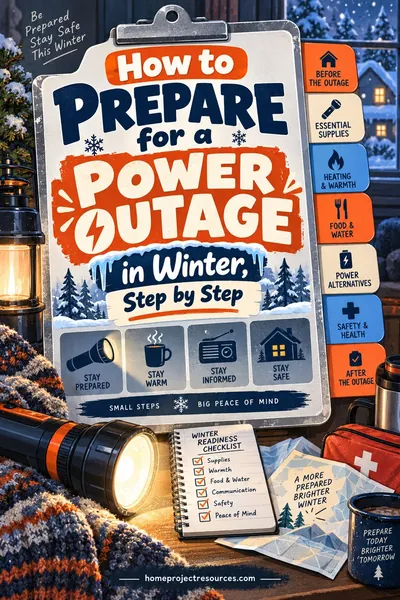
Then look up your local rules. If alkaline is allowed in the trash where you live, those can go out with the garbage, or you can drop them off with the rest. Everything else goes to a battery drop-off in one trip. While the smoke alarms are open, put in fresh batteries and test them, and if one starts chirping later, see smoke detector chirping. Our power outage prep guide covers which fresh batteries to keep on hand, and how to remove sticker residue helps with gift labels. Clearing out bigger items too? See how to dispose of a mattress, and find more free tools on our home page.
Quick answers about battery disposal
Can you throw batteries in the trash?
Single-use alkaline batteries are allowed in household trash in many places, but not all, so check your city or county rules. Lithium-ion, lithium, rechargeable, button and car batteries should never go in the trash. Tape their ends and take them to a battery drop-off or household hazardous waste site.
How do you dispose of lithium batteries?
Tape over the terminals or put each one in its own clear plastic bag, store them cool and dry in a non-metal container, and take them to a battery drop-off or household hazardous waste site. Never put them in the trash or curbside recycling, where they can start fires.
Why do you tape the ends of batteries?
Taping the terminals keeps them from touching metal or each other, which can cause a short, heat or even a fire. It matters most for 9-volt batteries, with both terminals on top, and for lithium and button batteries. Clear packing tape or electrical tape both work.
How should I store old batteries until I recycle them?
Keep them in a plastic or cardboard container with a lid, in a cool, dry place, away from keys, coins and other metal, and up high where kids and pets cannot reach. Tape the ends of the riskier types and drop the container off when it is about half full.
What do I do with a swollen battery?
Stop using and charging it, and do not puncture it or try to remove it from the device. Keep it on a non-flammable surface. If it is hot or smoking, move it outside only if that is safe, and call 911 if there is fire. Then ask your local hazardous waste program about drop-off.
Where do old car batteries go?
Back to a store that sells car batteries or to a recycling center. They contain lead and acid, so they should never go in the trash. Many stores take the old one when you buy a new one. Carry it upright, wear gloves and keep it away from kids and pets.
What if my child swallows a button battery?
Go to the emergency room right away, even if your child seems fine. A swallowed button battery can cause serious internal burns quickly. You can call Poison Control at 1-800-222-1222 on the way. For a pet, call your vet immediately. Keep spare and used button batteries locked up or up high.