How to Clean Carpet: Vacuuming, Stain Removal and How Often to Deep Clean

Here's how to clean carpet the right way: vacuum high-traffic areas a few times a week, blot spills right away with a clean cloth and cool water (never rub), and deep clean the whole carpet about once a year with a carpet cleaning machine or a pro. Homes with pets, young kids or heavy foot traffic may need that deep clean every 6 months.
If you only remember one thing, make it the vacuuming. Most carpet wear comes from grit that shoes grind into the fibers, and a slow, regular vacuum removes it before it does damage. Stain treatment and deep cleaning matter too, but they work much better on carpet that's already vacuumed well.
Key facts
- Vacuum busy areas 2 to 3 times a week, quiet rooms about once a week.
- Blot spills from the outside in; never rub.
- Deep clean every 12 to 18 months, or every 6 months with pets or kids.
- A simple stain mix: 1/4 teaspoon clear dish soap in 1 cup lukewarm water.
- Most carpets dry in about 6 to 12 hours after a deep clean.
Free calculator from Home Project Resources
Carpet Cleaning Planner: Your Vacuum and Deep-Clean Schedule
Pick how busy the room is and how many pets you have. You get how often to vacuum and when to deep clean.
Need more? Open the free Paint Calculator.
 Paint Calculator
 Square Footage Calculator
 Wallpaper Calculator
Pick how busy the room is (low traffic like a guest room, medium like bedrooms or an office, or high like the living room, hallway, stairs and entry) and how many pets you have: none, one, or two or more. The planner tells you how often to vacuum and when to deep clean that room, along with a reminder to check your carpet warranty.
Quick reference: your carpet cleaning schedule
| Task | How often |
|---|---|
| Vacuum high-traffic areas | 2 to 3 times a week; daily with several pets |
| Vacuum low-traffic rooms | About once a week |
| Spot clean spills | Right away |
| Deep clean (hot water extraction) | Every 12 to 18 months; every 6 months with pets, kids or heavy traffic |
| Entry mats | Shake out or vacuum weekly |
Check your carpet warranty, too. Many makers recommend professional hot water extraction about every 12 to 18 months, and some warranties require it, so keep the receipt.
Vacuuming that actually pulls dirt out
Speed is the most common mistake. A quick pass glides over the top, while a slow pass gives the brush roll and suction time to lift grit from the base of the fibers. Push forward slowly, pull back slowly and overlap each row by a few inches. On high-traffic paths, like the line from the sofa to the kitchen, go over the area in two directions, first lengthwise and then across.
Set the height for your carpet pile so the brush touches the fibers without digging in; too low and the vacuum drags and wears the carpet, too high and it barely picks anything up. Empty the bin or change the bag when it's half to two-thirds full, because suction drops as it fills. Every few weeks, cut hair and string off the brush roll and run the crevice tool along the baseboards, where dust lines collect.
How to treat a spill: blot first
The golden rule is blot, don't rub. Rubbing pushes the stain deeper, spreads it wider and frays the fiber tips so the spot looks fuzzy even after it's clean. Scrape off any solids with a spoon, then press a clean white cloth or paper towels onto the spill, working from the outside edge toward the middle so it doesn't spread.
For most spills, the next step is a gentle homemade mix: about 1/4 teaspoon of clear dish soap in 1 cup of lukewarm water. Test it on a hidden spot first, then dab it on and blot. Rinse by blotting with plain water, and blot dry. To pull out the last moisture, lay a stack of paper towels over the spot with something heavy on top, like a book in a plastic bag, and leave it for a few hours.
Coffee, tea and juice
Speed matters most with drinks. Blot right away with cool water to dilute the color, then use the dish soap mix. Repeat a few rounds of soap and plain-water rinse rather than soaking the carpet once.
Mud and tracked-in dirt
Leave mud alone until it's completely dry. Wet mud smears into a bigger stain, while dry mud mostly breaks up and vacuums away. Treat any shadow left behind with the dish soap mix.
Grease, food and gum
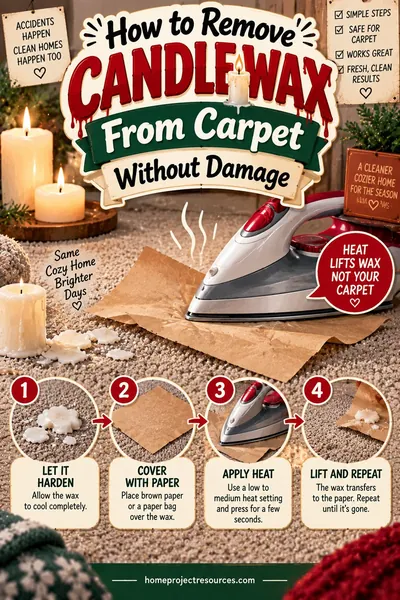
Blot greasy food, then use the dish soap mix and repeat as needed; dish soap is made to cut grease. For gum, harden it with an ice cube in a plastic bag, then scrape it off with a dull knife or spoon. Candle wax has its own method in our guide on how to remove candle wax from carpet.
Pet accidents
Blot up as much as you can, rinse by blotting with plain water, then use an enzyme cleaner made for pet stains. Enzymes break down the odor that ordinary soap leaves behind, so your pet is less likely to return to the same spot.
Whatever the stain, never mix cleaners, such as bleach with ammonia or vinegar, because that can make toxic fumes. Skip bleach on carpet entirely; it strips the color.
Deep cleaning with a carpet machine
A deep clean pulls out dirt that vacuuming can't reach. Most people rent or own a carpet cleaning machine, which sprays a cleaning solution into the carpet and sucks it back up, or hire a pro for hot water extraction. Either way, the prep is the same.
- Clear the room and vacuum thoroughly; this step matters most.
- Pre-treat stains and traffic paths with the solution made for your machine.
- Test a hidden spot, like inside a closet, for colorfastness.
- Mix the solution exactly as labeled.
- Start at the far corner and work back toward the door.
- Make extra suction-only passes to pull out water.
Measuring the solution matters more than it seems. Extra soap doesn't clean better; it leaves a sticky residue that attracts new dirt, so the carpet looks dingy again within weeks. Those dry, suction-only passes are the other secret. The less water you leave in the carpet, the faster it dries and the less chance of a musty smell.
Drying the carpet fast
Most carpets dry in about 6 to 12 hours. Help it along by running fans, turning on the heat or air conditioning, and opening windows if the weather allows. Stay off the wet carpet, or walk on it only in clean socks if you must. When you move furniture back, slip squares of foil or plastic under the legs until the carpet is fully dry, because wood stain and metal rust can transfer onto damp fibers.
Plan deep cleaning for a dry day when you can leave windows open, and start in the morning so the room is ready by bedtime. Bedrooms are easiest on a day when everyone can sleep elsewhere, or do one bedroom at a time.
A worked example: a busy living room
Say your living room is 12 by 15 feet, about 180 square feet, with a hallway and entry carpet connected to it. Two kids and a dog walk through it all day, so the planner would put it in the high-traffic, one-pet group. That means vacuuming about every other day, treating spills the moment they happen, and deep cleaning roughly every 6 months instead of once a year.
For a room like this, I'd vacuum slowly the night before deep cleaning, pre-treat the path from the back door and the spot in front of the sofa, and start the machine in the far corner. Mixing the solution exactly to the label and making two dry passes per row keeps drying close to the 6-hour end of the range. If you want exact square footage for renting a machine or getting a pro quote, the square footage calculator handles L-shaped rooms and hallways.
Pets, kids and allergies
Pet hair and dander settle deep into carpet, and kids bring in crumbs and outdoor dirt. In homes with two or more pets, vacuuming daily in the main rooms keeps hair from matting. Empty the vacuum often, since a full bin loses suction quickly with pet hair. Keep an enzyme cleaner on hand for accidents.
A deep clean every 6 months helps if anyone in the house has allergies, since it removes dust that vacuuming leaves at the base of the fibers. Wash pet beds, throws and bedding on the same schedule; how to clean pillows and weighted blankets covers the heavy items.
Keeping carpet cleaner for longer
Most dirt walks in on shoes, so put mats at every entry, both inside and out, and shake them out weekly. A shoes-off house helps more than any cleaner; keeping slippers by the door makes it easy for guests. Rearrange furniture now and then so the same paths don't wear down, and lay area rugs over the busiest spots. Closing blinds during the brightest part of the day slows fading on carpet near windows. Adding these jobs to your home maintenance checklist keeps them on track.
After holiday guests and winter boots
A house full of guests leaves its mark: tracked-in salt and slush, crumbs and the odd spill. Vacuum the entry and living room right after, treat any spots, and plan a deep clean in January. Salt from winter boots can leave white marks; blot them with warm water and let them dry before vacuuming. Our how many guests fit in a living room planner helps for the next party, and how to remove sticker residue takes care of gift labels stuck to furniture.
When cleaning isn't enough
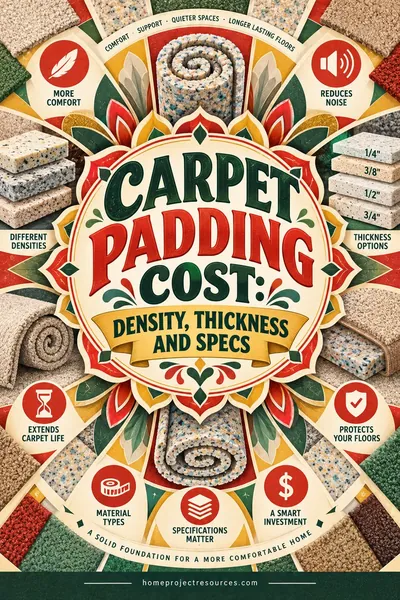
Carpet that's matted flat, stained in many places, frayed at the seams or still smelly after a deep clean may be past saving. Measure the room, then compare prices with our guides on the cost to carpet a room and carpet padding cost. Stairs measure differently from flat rooms, so see how to measure stairs for carpet. If you're thinking about switching to a hard floor, the flooring calculator estimates materials, and laminate vs vinyl plank compares two easy-care options. You'll find every free tool on our home page.
Quick answers about cleaning carpet
How often should you deep clean carpet?
About every 12 to 18 months for most homes, and about every 6 months with pets, kids or heavy traffic. Check your carpet warranty too, since many makers recommend professional hot water extraction on that schedule and some warranties require it.
How do you deep clean carpet yourself?
Vacuum thoroughly, pre-treat stains, and test a hidden spot. Use a carpet cleaning machine with the solution mixed exactly as labeled, start in the far corner and work toward the door, and make extra suction-only passes. Then dry it fast with fans, heat or air conditioning and open windows.
What is the best homemade carpet stain remover?
About 1/4 teaspoon of clear dish soap in 1 cup of lukewarm water works on most everyday spills. Test a hidden spot, blot it on, rinse by blotting with plain water and blot dry. Use an enzyme cleaner for pet accidents instead.
How often should I vacuum carpet?
Vacuum high-traffic areas 2 to 3 times a week, or daily if you have several pets. Low-traffic rooms like guest rooms need it about once a week. Go slowly and overlap your rows for the best results.
How long does carpet take to dry after cleaning?
Usually about 6 to 12 hours. Extra suction-only passes, fans, the heat or air conditioning and open windows when the weather allows all speed it up. Keep furniture off the carpet, or on foil squares, until it's completely dry.
Should you rub a carpet stain?
No. Rubbing spreads the stain, pushes it deeper and frays the fibers. Blot with a clean white cloth, working from the outside edge toward the middle, and repeat with fresh cloths until no more color comes up.
Can I use bleach on carpet?
No. Bleach strips color and can leave a permanent pale spot. Stick to the dish soap mix or a cleaner made for carpet, and never mix bleach with ammonia, vinegar or other cleaners, since that can release toxic fumes.
Why does my carpet look dirty again after cleaning?
Usually soap residue. Too much cleaning solution, or not enough rinsing and suction, leaves a sticky film that grabs new dirt. Mix the solution exactly as labeled, rinse well and make extra dry passes. A plain-water rinse pass can help fix it.