How to Get Rid of Mice in the House: Signs, Entry Points and a Seal-First Plan

To get rid of mice in the house, seal the gaps they are using to get in, then trap the ones already inside. Mice can squeeze through a hole about the size of a dime, so stuff gaps with steel wool and seal over it with caulk, add door sweeps, and set snap traps baited with a pea-sized dab of peanut butter along the walls where you see droppings. Do both at the same time. Trapping without sealing just makes room for the next mouse.
If you have kids or pets, skip poison baits. Traps placed inside covered stations, out of reach, are the safer route, and they give you proof the problem is solved. Most small invasions clear up in a week or two of steady trapping once the holes are closed. If you are still catching mice after two or three weeks, that is the moment to call a licensed pest professional.
Key facts
- Mice fit through a gap about the size of a dime.
- Steel wool or copper mesh plus caulk stops chewing; foam alone does not.
- Set traps along walls, every few feet, bait end against the wall.
- Skip poison and glue traps in homes with kids or pets.
- Never sweep or vacuum droppings dry.
Free calculator from Home Project Resources
Mouse Entry Finder: Where They Get In and a Seal-First Plan
Pick where you see signs of mice. You get the likely way in and a seal-first plan to stop them.
Need more? Open the free Paint Calculator.
 Paint Calculator
 Square Footage Calculator
 Wallpaper Calculator
Use the Mouse Entry Finder above to aim your effort. Choose where you see signs: kitchen or pantry, under sinks or near pipes, garage, basement or crawl space, or attic or inside walls. It tells you the most likely way in for that area and gives you a seal-first plan, with where to put traps and a safety note. If you see droppings in two places, run it for each one, since a garage gap and a kitchen pipe gap need different fixes.
Quick reference: common entry points and how to seal them
| Entry point | How to seal it |
|---|---|
| Gaps around pipes, gas lines and wires | Steel wool stuffed in, caulk or foam over it |
| Under exterior doors | Door sweep and new weatherstripping |
| Garage door bottom and sides | New bottom seal, side weatherstripping |
| Foundation cracks | Mortar or concrete patch |
| Dryer, attic and crawl space vents | Hardware cloth (metal mesh), not plastic screen |
| Where siding meets the foundation | Exterior-grade caulk or sealant |
| Roofline, soffits and roof vents | Hire a pro for high work |
How to tell you have mice
Droppings are the clearest sign. They are small, dark and pointed, about the size of a grain of rice, and you find them in drawers, in the back of cabinets, along walls and behind appliances. Where they are heaviest tells you where mice travel and nest. If the droppings are about half an inch long or bigger, you may be dealing with rats, which is a job for a pro.
Other clues add up. Look for gnaw marks on food boxes, baseboards or wires, and balls of shredded paper, fabric or insulation tucked in a hidden corner. You may hear scratching or scurrying in walls or ceilings, mostly at night, or notice a stale, musky smell in a closed cabinet. Mice also leave dark grease smudges along the walls they run beside. And pay attention to your pets. A cat or dog that keeps staring at the same spot behind the fridge often knows something you do not.
Why mice move in when it gets cold
As temperatures drop in fall and winter, mice go looking for warmth, water and food, and a house offers all three. They usually enter low, near the foundation, and travel along walls and pipes, because they feel safer with something beside them. Once inside, they nest close to food. That is why the kitchen, the pantry and the cabinet under the sink are such common trouble spots, and why a garage with bags of birdseed or pet food is a magnet.
Seal first: the room-by-room plan
Steel wool is the hero here. Mice can chew through foam, caulk, plastic and wood on their own, but they cannot chew through steel wool or copper mesh. Stuff the gap firmly with it, then seal over the top with caulk or expanding foam to hold it in place. For bigger holes and vents, cut a piece of hardware cloth, which is a stiff metal mesh, and fasten or caulk it over the opening.
Kitchen and under the sinks
Carefully pull out the stove, fridge and dishwasher if you can, and look behind them for holes where pipes, gas lines and wiring come through the wall. Check the back of the pantry and the gaps under the base cabinets. Under the sink, look at the back wall and floor where the pipes enter. Fix any drips while you are there, because mice need water as much as food.
Garage, basement and crawl space
Garages are a common way in. A worn bottom seal on the garage door leaves a gap mice slip under, so replace it and add weatherstripping on the sides. Our guide to garage door repair covers seals and when to call for help. In a basement or crawl space, look along the top of the foundation wall, around vents and at any cracks. A patch of mortar fills small foundation cracks, and our article on foundation cracks helps you tell a cosmetic crack from one a pro should see.
Doors, attic and roofline
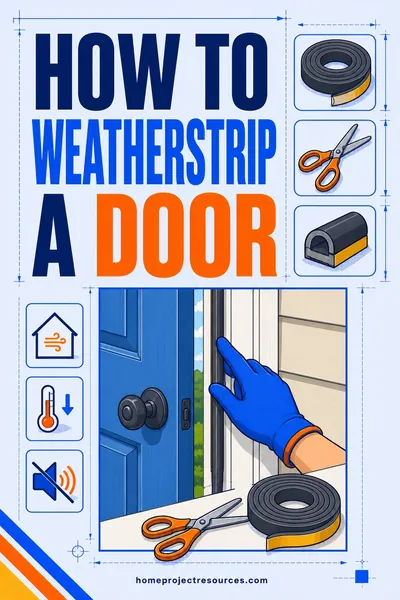
Slide a pencil under each exterior door. If it fits, a mouse can too. A door sweep and fresh weatherstripping fix that, and our guide on how to weatherstrip a door walks through it, with the bonus of fewer winter drafts. Attic and roofline gaps are harder. Anything that means working high on a ladder or on the roof is a good job to hand to a pro.
Setting traps the right way
Snap traps are cheap, fast and reliable, and I think they are the best tool for most homes. Electronic traps are enclosed and easy to empty but cost more and need batteries. Live-catch traps do not kill, but they must be checked often, and releasing mice may not be allowed everywhere. They also tend to find their way back. Glue traps are cheap but widely considered inhumane, and they can catch pets and wild birds, so I would avoid them.
Start by taking away the easy meals. Store pantry food, pet food and birdseed in hard plastic, glass or metal containers, wipe up crumbs and pick up pet bowls at night. Then bait each trap with a pea-sized dab of peanut butter, or a bit of oatmeal or a seed if anyone at home has a peanut allergy. Set the traps along walls with the bait end against the wall, every few feet in active areas, because mice run along edges rather than across open floors.
Use plenty of traps for a few nights rather than one trap for weeks. Put them inside covered trap stations, or somewhere kids and pets cannot reach. Check them every day with gloves on, and keep going until there is no new activity for a week or two.
Why I skip poison in homes with kids and pets
Rodent poison is risky in a family home. A dog or cat can eat the bait, or eat a mouse that ate the bait. A child can find a bait block that got dragged out from under the stove. And a poisoned mouse often dies inside a wall where you cannot reach it, which means a bad smell for weeks. Seal and trap is safer, and you can see when it has worked.
If you ever use any pest product, read the whole label and follow it exactly, and store it locked up or up high. If a pet does get into rodent bait, call your vet or the ASPCA Animal Poison Control Center right away. If a child may have swallowed any, call Poison Control at 1-800-222-1222 or 911.
Cleaning up after mice safely
Mouse droppings and urine can carry germs, so take a few precautions. Open windows and air out the area for about 30 minutes first. Wear rubber gloves, and a mask for a big mess. Do not sweep or vacuum droppings dry, since that can stir germs into the air. Instead, spray the droppings and nest material with a disinfectant, following its label, and let it soak for the time the label says. Wipe it up with paper towels, bag everything and take it to the outdoor trash. Disinfect the surfaces, wash your gloved hands, take the gloves off and wash your hands again.
Use one cleaning product at a time and never mix cleaners, such as bleach with ammonia or vinegar, because that can make toxic fumes. If mice nested in attic insulation, the soiled section may need to come out. Our guide to insulating an attic explains air sealing and adding new insulation, and the insulation calculator tells you how many bags you need to bring a section back to the right depth.
A worked example: droppings in the pantry and garage
Picture a two-story house where you find droppings on a pantry shelf and in the garage near a bag of dog food in October. The tool points to gaps behind the appliances for the kitchen, and the garage door seal for the garage. On a Saturday, you move the dog food into a metal bin with a lid, pull the stove out, and find a gap around the gas line. You stuff it with steel wool and caulk over it. In the garage, you see daylight under one corner of the door, so you replace the bottom seal.
That evening you set six snap traps in covered stations: three along the back of the pantry and behind the stove, three along the garage wall. Over the next week you catch a few mice, check the traps each morning with gloves on, and then nothing for ten days. At that point you clean up the droppings with disinfectant and pack the traps away.
A fall routine that keeps mice out
Prevention is mostly a once-a-year walk around the house. Each fall, check door sweeps, the garage door seal, the dryer vent cover and the spots where pipes and wires enter the house. Re-caulk anything that has cracked. Keep firewood stacked away from the walls, trim shrubs back from the foundation and store birdseed and pet food in sealed bins. Our home maintenance checklist is a good place to add these. A tidy, organized garage with things up off the floor also leaves mice fewer places to hide, and garage storage systems has ideas for walls and shelves.
Mice also love damp, cluttered basements. A dry basement is less inviting to mice and to other pests, so see musty basement smell for moisture fixes. If small silvery bugs show up in the same damp corners, read how to get rid of silverfish, and for flies around the fruit bowl, try how to get rid of fruit flies.
When to call a licensed pest pro
Call a licensed pest professional if you keep catching mice after two or three weeks, if you hear activity in the walls or attic and cannot reach the entry points, or if you see signs of rats, such as droppings about half an inch long or more. Tell them about kids and pets before they start, and ask what they plan to use and where. If mice have chewed any wiring, treat it as a fire risk and have a licensed electrician check it. Our electrical safety basics guide explains why damaged wires should not be ignored. More free tools are on our home page.
Quick answers about mice in the house
What is the fastest way to get rid of mice in the house?
Set plenty of snap traps along the walls where you see droppings, baited with a pea-sized bit of peanut butter, and seal their entry points at the same time so more cannot come in. Several traps for a few nights work faster than one trap for weeks. Keep traps in covered stations if you have kids or pets.
What are the signs of mice in the house?
Look for small, dark, pointed droppings about the size of a grain of rice, gnaw marks on food boxes or wood, shredded nests, scratching in the walls at night, a musky smell and dark grease marks along walls. Pets staring at one spot behind an appliance can be a clue too.
How do mice get into a house?
Through gaps as small as a dime. Common spots are around pipes and wires, under exterior doors, under a worn garage door seal, through foundation cracks and uncovered vents, and at the roofline. They usually come in low and travel along walls and pipes to reach food.
What do you use to seal mouse holes?
Stuff the gap firmly with steel wool or copper mesh, then seal over it with caulk or expanding foam. Cover vents and larger holes with hardware cloth, a stiff metal mesh. Mice can chew through foam, caulk, plastic and wood on their own, so the metal layer is what stops them.
Is it safe to use mouse poison with pets?
It is risky. Pets can eat the bait or a poisoned mouse, and mice often die inside walls. Sealing and trapping is safer. If your pet gets into bait, call your vet or the ASPCA Animal Poison Control Center right away, and if a child may have eaten some, call Poison Control.
How do I clean up mouse droppings safely?
Air the room out for about 30 minutes, put on gloves, then spray droppings and nest material with a disinfectant and let it soak for the time on the label. Wipe up with paper towels, bag it all for the outdoor trash and disinfect the surface. Never sweep or vacuum droppings dry.
Are glue traps a humane option?
Not really. Glue traps hold a mouse alive until it dies slowly, which is why many people consider them inhumane, and they can catch pets and wild birds too. Snap traps in covered stations kill quickly. If you want a no-kill option, live traps work, but check them often and follow local rules on release.